Man and van in Knightsbridge for local and cross-city moves

Man with Van Knightsbridge provides a man and van in Knightsbridge for household moves, furniture transport and practical collections that need careful handling in a busy central London setting. The service is suited to customers who want help moving a few key items, a room’s contents or a more substantial load without arranging a full removal crew. Our approach is straightforward: we focus on safe loading, sensible vehicle use and clear communication so the move can be organised with as little friction as possible.
People choose this kind of service for many reasons. It can suit flat moves, student items, furniture purchases, storage runs and office items that need to be carried securely between addresses. The work is often about planning the load properly, protecting items in transit and choosing a vehicle size that matches what needs to move. That makes it a practical option when the job is too much for a car but does not call for a large-scale removal operation.
The pages below explain the main service areas in more detail, including related moving options, packing support and useful policies. If you are arranging a move in Knightsbridge and want a clear quotation, start by comparing the most relevant service pages and then make an enquiry using the contact details on the site. Tell us what needs moving, where it is going and when you would like it done so the estimate can reflect the job properly.
Flexible moving support for homes and flats
Our home moving work is designed for situations where a smaller or more tailored vehicle-based service is the best fit. That can include single-room moves, part-load removals, furniture relocation and practical help for apartments with limited access. The aim is to keep the process efficient while still treating belongings with care, especially when there are narrow hallways, stairs, lifts or restricted parking to consider. Clear loading order and sensible packing make a real difference to how smoothly these moves progress.
For more involved domestic jobs, the service can be combined with broader removal support. If you are relocating from a house or flat and need a fuller moving plan, the company also lists home moves and house removals as related options. Those pages are useful when you want to compare lighter man and van assistance with a larger move, or when you need a more structured approach for furniture, boxes and household items that must arrive together.
Useful preparation can be simple and practical. A short inventory, notes on access and a realistic idea of the largest items are often enough to begin with. If packing is not yet complete, it is still sensible to separate fragile pieces from general boxes and identify anything that needs special care. You can then decide whether the move needs extra wrapping, dismantling or a different load plan before requesting a quotation.
Furniture, single items and specialist handling

Furniture transport is one of the clearest uses for a man and van service. Sofas, wardrobes, tables, beds and similar items often need more than a quick lift from one place to another. The work may involve carrying items through tight spaces, protecting finishes from scuffs and keeping weight balanced in the vehicle so the journey remains stable. When a piece is awkward, heavy or unusually shaped, careful handling is more important than simply having enough space.
The site also lists dedicated pages for related item-based jobs. If you are moving individual pieces or want a simple collection service, furniture removals and furniture pick-up are relevant starting points. For more delicate or technically demanding transport, piano removals explains a specialist moving category that calls for extra attention to size, weight and handling requirements. Those pages help customers choose the most suitable route for the item involved.
In practice, the right service depends on more than the item itself. Access at both ends, the need for dismantling, the presence of stairs and the distance travelled all affect the plan. It is often useful to measure the largest object and think about door widths, turning space and any corridor bends. A brief note on these details can make a quotation more accurate and reduce avoidable delays on the day.
Commercial and office relocation options
Not every move is domestic. Small businesses, studios and offices sometimes need a vehicle-led relocation that is manageable without a large commercial removal programme. That can include desks, chairs, filing, archive boxes, display items and other equipment that must be moved securely and in a sensible order. Careful sequencing matters because office work often needs a balance between speed, access and keeping essential items grouped together.
Where business customers need a fuller commercial move, the site provides both office removals and office relocation services. There is also a broader commercial moves page for jobs that involve premises, stock or equipment outside a traditional office environment. These service pages are useful if you want to compare a lighter man and van arrangement with a more planned business relocation.
For office moves, it helps to separate essential items from general furniture and identify anything that needs a particular sequence. That may include computers, documents, boxed supplies or display stands. A clear list of what stays, what travels and what can be disconnected ahead of time makes the move easier to organise. It also helps determine whether the job is best handled as a straightforward transport task or something that benefits from additional packing and coordination.
Packing, protection and the practical side of moving

Packing is often the detail that decides whether a move feels rushed or controlled. Good packing protects fragile possessions, keeps mixed loads organised and reduces the chance of damage during lifting and transit. For many customers, the service may involve a combination of boxes, wrapping, tape and careful placement in the van rather than a full packing overhaul. The point is to match the amount of support to the items involved and the time available before the move.
If you need more structured packing help, the company also lists packing and unpacking services and packing and boxes. Those pages are useful when you want help with preparing items for transport, choosing suitable materials or deciding how much should be packed in advance. Packing is not only about protection; it also makes loading quicker, keeps breakables grouped and can simplify unloading at the destination.
When preparing an enquiry, it is sensible to mention the number of boxes, the main furniture pieces and whether anything is fragile, heavy or awkwardly shaped. If access is limited, say so early. If there are lifts, parking restrictions or carrying distances, they are worth noting too. That information does not need to be lengthy, but it does help the quotation reflect the actual work rather than a rough guess. A short description is usually more useful than a long list of assumptions.
Same-day transport, smaller loads and time-sensitive moves
Some jobs need to be arranged at shorter notice or completed within a tighter window. A man and van setup can be a practical answer for these cases because it is suited to modest loads, one-off collections and smaller relocations that still need proper handling. The key is to be realistic about volume and timing so the transport plan suits the items rather than forcing the items to suit the plan.
Where speed and flexibility are important, the site includes same-day removals for urgent moving needs and student removals for lighter, more compact relocations. The latter can be useful for term-time moves, shared accommodation changes and the transport of boxes, bedding, small furniture and personal possessions. These pages help customers compare move types that usually need a simpler load plan than a full house removal.
Time-sensitive transport works best when the details are clear from the start. Think about the earliest collection time, the destination address, whether the load is ready to go and whether anything must be moved in a particular order. If the items are spread across rooms or stored away, that can affect the schedule. The more precise the basic outline, the easier it is to see what can be achieved within the available timeframe.
Insurance, safety and responsible handling

Safe moving depends on practical systems as much as strength. Lifting technique, load distribution, wrapping, securing items and checking access all contribute to a better result. For customers, it is reassuring to know that moving work should be carried out with proper care around doors, walls, flooring and the belongings themselves. This is especially important in central London properties where space can be tight and shared areas must be respected.
The site also includes information pages for insurance and safety and health and safety policy. Those pages are relevant if you want to understand the company’s approach to risk, safe working practices and the handling of property during moves. There is also a payment and security page for customers who want to review practical arrangements before proceeding, and a terms and conditions page for the wider framework of service use.
For customers, one useful step is to keep walkways clear and decide in advance which items are staying, going or being stored separately. That makes loading more orderly and lowers the chance of confusion when several people are involved. It is also sensible to mention any items that need special care because of weight, fragility or shape. Those small details often matter more than a broad description when a quotation is being prepared.
About Knightsbridge
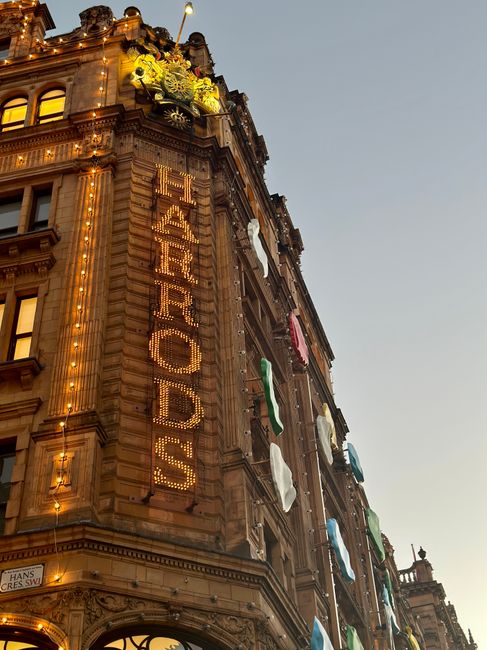
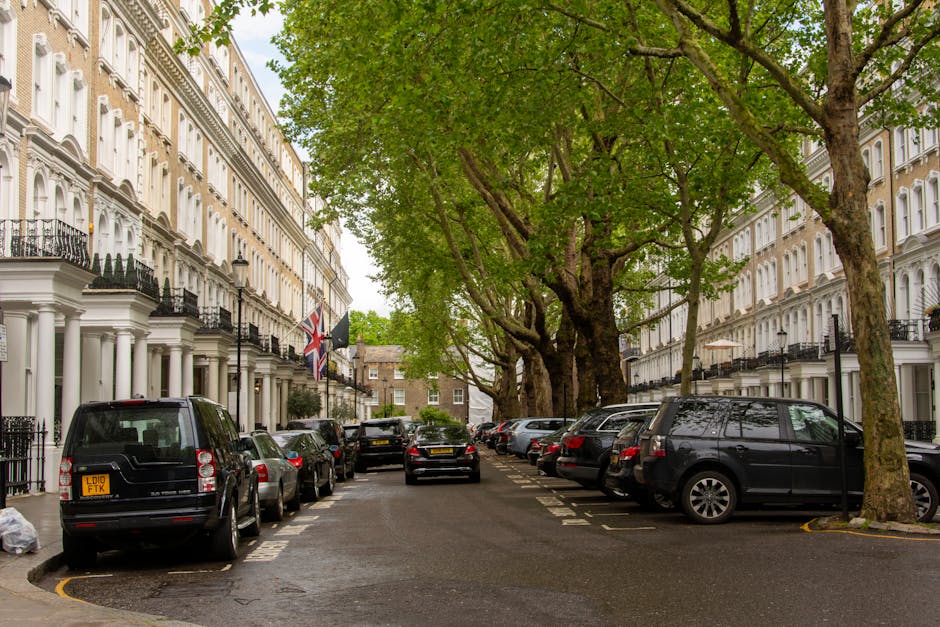
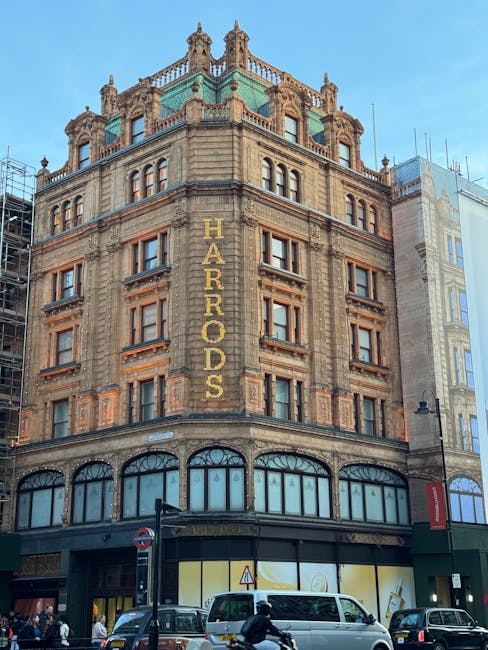
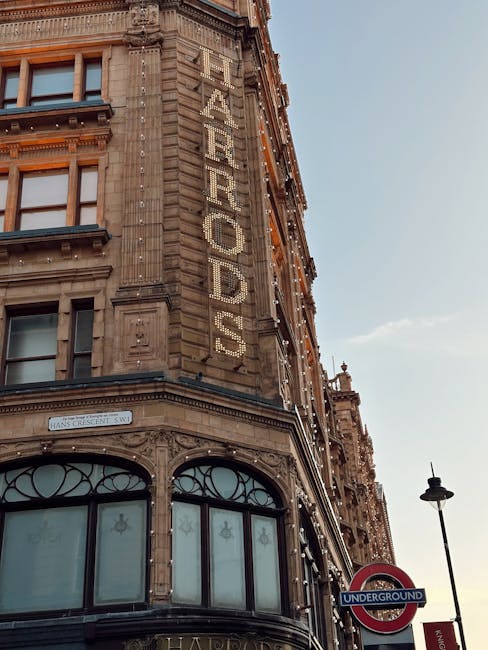
Knightsbridge is a central London district known for its mix of residential streets, high-end retail, hotels and major cultural institutions. It lies between Hyde Park to the north and west and the south-western approaches to central London, with Brompton and Belgravia nearby. The area developed from what was once a small settlement and crossing point on the road west out of London, and over time it became closely associated with urban expansion, grand housing and later commercial development. Much of its character today comes from that combination of older building stock, busy thoroughfares and landmark destinations. The district includes parts of the City of Westminster and the Royal Borough of Kensington and Chelsea, so its street pattern and civic identity reflect more than one local authority boundary. It is also shaped by the presence of well-known institutions such as Harrods, the Victoria and Albert Museum just to the south-east, the Natural History Museum further west in South Kensington, and the green open space of Hyde Park, which forms one of the most recognisable edges of the locality. Knightsbridge Underground station gives the area a strong transport connection, while the surrounding streets link to Brompton Road, Sloane Street and nearby residential squares. Architecture ranges from elegant mansion blocks and terraces to later commercial buildings, and the result is a district that feels layered rather than uniform. Public spaces, embassies, galleries, parks and shopping streets sit close together, giving the area a distinctly urban and highly walkable form. Its name is widely recognised, yet the neighbourhood itself is made up of varied micro-areas and street patterns rather than a single homogeneous centre. That mix of history, prestige and dense city fabric has made Knightsbridge one of London’s most distinctive and heavily visited districts.
What affects the quotation
Quotations for moving work usually depend on practical factors rather than a single headline description. The amount of furniture, the number of boxes, the distance between addresses and the access at each property are all important. A move involving stairs, long carrying distances or particularly awkward items takes more planning than a simple kerbside collection. The same is true when there is a tight schedule or when several stops are involved. Good estimates reflect the real workload.
Useful information to provide includes the type of items, the floor level at each end, whether parking is available nearby and whether anything needs dismantling. If there are storage runs, retail collections or business items, it is helpful to say so. A clear breakdown means the quotation can be matched to the job properly. For many customers, this is the easiest way to compare options without over-specifying the move.
There is no need to write a long explanation before asking for pricing. A concise description is usually enough, especially if it includes the most important practical points. If you already know the route, the load size and the desired timing, mention them together. That gives the team something usable to work from and helps avoid unnecessary back-and-forth when you are simply trying to arrange transport efficiently.
Related removals and local service choices

Some customers begin with a man and van because they need a straightforward move, then decide they would benefit from a fuller removal service. The site includes broader destination pages such as removal services, removals and removal companies for people comparing general moving support. These pages can help you understand where a lighter vehicle-based arrangement fits alongside more complete moving help.
There are also practical pages for vehicle and access-related options, including moving truck, removal truck hire, removal van and man with a van. If you want a variant more closely aligned to this service name, man with van and man and van are also available. These pages are useful for comparing the wording of the service and deciding which route best matches your move.
When you are ready to request a quotation, keep the final step simple: choose the most relevant page, outline the items and share the access details. A clear request makes it easier to match the right vehicle and level of help to the job. If you want to move ahead now, please make an enquiry through the site and ask for a quote.