Piano Removals in Knightsbridge
Moving a piano is never just another item on a moving checklist. It is a specialist task that calls for planning, care, strength, and the right equipment. In an area like Knightsbridge, where elegant apartments, period buildings, mansion blocks, mews homes, luxury hotels, offices, and cultural spaces all sit close together, piano removals in Knightsbridge require local knowledge as much as they require lifting skill. Whether you are relocating an upright piano from a high-floor flat, moving a baby grand into a townhouse, or arranging transport for a showroom instrument, the right team can make a real difference to the outcome.
Many customers begin their search because they are concerned about damage, access, or the practicalities of getting a heavy, delicate instrument in or out of a property safely. That concern is completely valid. Pianos are valuable, both financially and sentimentally, and they are awkward to move without experience. This local service page explains how a specialist piano moving service works, what is usually included, what affects cost, how to prepare, and why working with a local team familiar with Knightsbridge can save time, stress, and unnecessary risk.
If you are planning a move soon, request a free quote and speak with a team that understands both the instrument and the area. From domestic moves to commercial relocations, piano removals in Knightsbridge are best handled by people who know how to protect the piano, the property, and everyone involved in the move.
Why specialist piano removals matter in Knightsbridge

Knightsbridge has a mix of properties that can make moving furniture difficult even on a good day. Narrow entrances, shared hallways, lift restrictions, concierge procedures, loading limitations, and protected interiors all affect how a piano should be moved. A standard house move approach is often not enough. A piano needs careful handling from the first assessment through to final placement.
Beyond size and weight, pianos are also sensitive instruments. An upright or grand piano can be affected by sudden movement, vibration, temperature changes, and poor securing during transit. Keys, pedals, legs, lyres, lids, and internal mechanisms can all be damaged if the move is rushed or unplanned. A professional service reduces that risk by using the correct lifting methods, protective wrapping, and suitable transport arrangements.
For local customers, the real value of a specialist service is peace of mind. You do not need to worry about whether the staircase is too tight, whether a hallway turn is possible, or whether the building’s access rules will create delays. A local piano removals team in Knightsbridge can assess these points in advance and plan the move around the realities of the property.
Types of piano moves we help with

Every piano move is different. Some customers only need a short transport journey within Knightsbridge, while others are moving to nearby areas such as Belgravia, Chelsea, South Kensington, or Mayfair. Others need help moving between floors inside the same building, or between storage and a home or performance venue. A flexible local service should be ready for all of these situations.
Common requests include upright piano removals, baby grand piano moves, grand piano transport, concert piano handling, and re-positioning within the same property. We also help with removals for landlords, property managers, interior designers, music teachers, studios, schools, hospitality venues, and offices. In a location with many premium properties and business spaces, a piano may need to be moved without disrupting residents, guests, or staff.
Some customers require piano removals in Knightsbridge as part of a larger home move, while others book a dedicated piano-only move because the instrument deserves specialist attention. Either way, the focus remains the same: safe handling, clear planning, and a careful final placement in the new location.
What is included in a professional piano removal service?
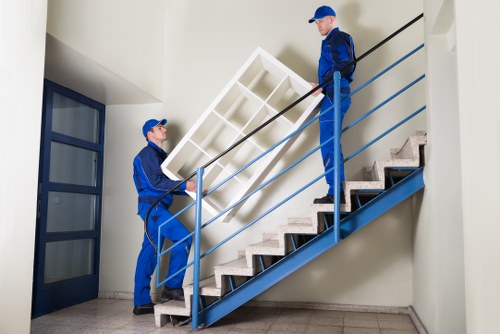
A proper piano moving service is more than simply lifting and transporting the instrument. It should be structured around protection, preparation, and delivery. While every job is different, a typical service includes an initial assessment of access, the use of specialist protective materials, trained handling, and secure loading for transit.
Depending on the instrument and the building, the team may dismantle removable parts such as pedals, legs, or lyres for certain grand piano moves. The piano will then be wrapped and protected to reduce the chance of scratches or internal movement. Equipment such as piano dollies, skates, straps, blankets, ramps, and lifting aids may be used where appropriate. On arrival, the instrument is unloaded carefully and placed in the room or position agreed in advance.
Customers often appreciate a service that also takes into account floor protection, doorway care, stair navigation, and coordination with building management. In Knightsbridge, that extra attention matters. A well-run move should feel orderly and respectful of the property from start to finish.
How piano removals in Knightsbridge are planned

Good planning is the foundation of a safe move. Before any lifting begins, the team should understand the type of piano, the starting point, the destination, and the access between them. That includes staircases, lifts, corridors, tight turns, entrance widths, loading bays, and any restrictions set by the building or local area. Knightsbridge properties often require a careful walkthrough because every extra step of the route can matter.
For grand and baby grand pianos, planning can also involve checking whether partial dismantling is needed, whether the instrument can be moved upright or needs a different tilt, and whether there is enough space at the collection and delivery points for safe manoeuvring. Even an upright piano, which may appear simpler to move, can become challenging in a building with narrow stairs or limited access.
Where relevant, the team may liaise with concierge staff, building managers, or office administrators to make sure the move is allowed and timed properly. This is especially helpful in Knightsbridge, where shared access points and busy streets can complicate even a short local transfer. A coordinated approach helps keep the move efficient and reduces the chance of avoidable delays.
Why local knowledge matters in Knightsbridge

Choosing a team familiar with the area is not just a convenience; it can directly affect how smoothly the move goes. Knightsbridge is known for refined residential streets, high-end apartment buildings, busy commercial spaces, and traffic patterns that can make loading and unloading more complicated. Local experience helps a mover anticipate the issues that outsiders may only discover on the day.
Parking and access are common concerns. Some properties require specific loading arrangements, short stopping windows, or close coordination with nearby staff. In addition, many buildings in and around Knightsbridge have strict moving rules, such as set time slots, lift bookings, or protection requirements for communal areas. A local team understands that these practical details are part of the job, not an afterthought.
Local knowledge also helps with route planning when moving a piano to or from nearby areas such as Brompton, Belgravia, Chelsea, Hyde Park, or South Kensington. Even a seemingly short journey can be affected by traffic, time restrictions, and the need to avoid unnecessary handling. Book your service now if you want a move planned with those realities in mind.
Who uses piano removal services in the area?
Piano removals are requested by a wide range of local customers. Some are private homeowners, others are tenants in luxury apartments, and many are business or institutional clients. The service is also useful for property professionals who need to move an instrument before a sale, refurbishment, or handover. Because pianos are both bulky and fragile, the need for specialist handling applies across many different settings.
Typical customers include:
- Homeowners moving between Knightsbridge and nearby neighbourhoods
- Tenants relocating from flats, maisonettes, or serviced apartments
- Landlords preparing a property for new occupants
- Estate and letting agents arranging access for furniture removal
- Interior designers repositioning a piano as part of a room redesign
- Music teachers moving instruments between teaching spaces
- Studios, theatres, and performance venues needing specialist support
- Hotels, restaurants, and private clubs with piano installations
- Offices or commercial premises with lobby or event pianos
In each case, the aim is the same: move the piano safely, efficiently, and with minimal disruption. That is why many people prefer a service built around the needs of real local customers rather than a one-size-fits-all moving approach.
What makes a piano move more difficult?
Some piano removals are straightforward, but many involve obstacles that need specialist planning. Understanding the difficulties in advance helps customers see why the right preparation is so important. The most common challenges are not always about the piano itself; they often come from the building, the route, or the conditions on the day.
Common access challenges
Knightsbridge properties can present a range of access issues, including compact staircases, internal bends, narrow landings, small lifts, low ceilings, and limited space outside the property. In some buildings, the team may need to protect walls, flooring, and corners during the move. A careful assessment helps identify these issues before the collection date.
Why grand pianos need extra planning
A grand piano is not only heavier and more awkward than an upright; it also has a shape that makes it more difficult to manoeuvre in small spaces. Legs, lids, and pedals may need to be removed, and the body must be kept stable during lifting and transit. This makes trained handling essential.
Timing and building rules
In a busy district like Knightsbridge, timing can matter just as much as physical access. Some buildings only allow moves during specific hours. Others require advance notice, protection for common areas, or a booked lift. A local piano moving team can help coordinate these points so that the move stays on track.
How to prepare for a piano removal
Preparation makes a noticeable difference to how smoothly the move goes. While the removal team will handle the lifting and transport, customers can help by clearing the route, checking access, and sharing key details early. That is especially useful in Knightsbridge, where a little advance planning can prevent unnecessary delays.
Preparation checklist:
- Confirm the piano type, size, and current location
- Measure doorways, staircases, and key turns if possible
- Check lift access and building restrictions in advance
- Reserve parking or loading space where required
- Remove items from the top of the piano and nearby surfaces
- Keep pets and children away from the moving route
- Tell the team about any fragile flooring, narrow halls, or steps
- Make sure the destination room is clear and ready
It also helps to think about the climate of the new location. Pianos are sensitive to sudden changes in temperature and humidity. While the move itself is about transport, the final placement should ideally avoid radiators, direct sunlight, or very damp areas. If you are unsure, ask the mover for practical placement advice when arranging the service.
What affects the cost of piano removals in Knightsbridge?
Customers often want to know what influences the price of a piano move. It is reasonable to ask, because no two moves are identical. The cost is usually shaped by a combination of access conditions, instrument type, distance, and the amount of labour and equipment needed. A reliable quote should be based on the specific details of the job rather than a vague estimate.
Factors that commonly affect the quote include:
- Whether the piano is upright, baby grand, or grand
- How many stairs, corners, or level changes are involved
- Whether the move includes dismantling and reassembly
- The distance between collection and delivery points
- Parking or loading constraints near the property
- Whether additional staff or specialist equipment are required
- Whether the move is part of a larger house or office relocation
It is also worth considering whether the piano needs temporary storage, internal repositioning, or onward transport to another property. Each variation changes the plan. The best next step is to request a free quote with as much detail as possible so the service can be planned properly from the outset.
Residential piano removals for Knightsbridge homes
Many piano moves in Knightsbridge involve private homes, from elegant flats and mansion apartments to townhouses and mews properties. These homes often contain valuable furnishings, carefully finished interiors, and limited circulation space. A cautious, well-organised moving team helps protect the property while also ensuring the piano is handled correctly.
For households, the most common concerns are damage to walls or flooring, disruption to neighbours, and whether the piano can reach the right room without problems. A professional team will usually use protective coverings and careful lifting methods to reduce those risks. Where required, the move can be scheduled to fit around building access times or quieter periods of the day.
Residential customers often appreciate a local mover who understands that the piano may be a treasured family instrument, not just a piece of furniture. That sense of respect matters. The goal is to get the instrument to its new home in the same condition it left the old one, ready for playing once settled.
Commercial and venue piano removals
Knightsbridge is not only a residential area. It also has hospitality spaces, offices, private clubs, and cultural venues that may need a piano moved for performance, storage, refurbishment, or redesign. In commercial environments, timing and coordination are often just as important as the physical move itself.
A venue or business may need the piano removed without interrupting guests, customers, or staff. That means clear scheduling, efficient handling, and awareness of building operations. In some cases, the piano may need to be moved after hours, during a quieter time, or in coordination with other contractors. A specialist mover should be comfortable working within those conditions.
Commercial customers also tend to value consistency. They need the move completed carefully, with the instrument and surroundings protected. Whether the piano is being relocated to another floor, taken to storage, or moved to a new venue nearby, a professional team can help keep the process organised and low stress.
Service areas covered around Knightsbridge
Local customers often want to know whether a specialist piano mover can also cover nearby destinations. In practice, a Knightsbridge-based or Knightsbridge-familiar service is well placed to support nearby residential and commercial areas with similar access challenges and property types. Short local moves are common, and they can be every bit as demanding as a longer journey if the access is tight.
Areas commonly covered include:
- Belgravia
- Chelsea
- South Kensington
- Brompton
- Hyde Park
- Mayfair
- Knightsbridge and surrounding streets
- Nearby central London districts with similar access needs
If your piano is moving between one of these areas and Knightsbridge, or within Knightsbridge itself, a local team can usually plan the route with fewer surprises. That can be especially helpful when the instrument is moving between apartments, townhouses, offices, or event venues.
Why choose a local company for piano removals?
There are several reasons local customers often prefer a team with area knowledge. First, a local mover understands the property mix. Knightsbridge is not a place where a standard plan always works; the route and access may vary significantly from one building to the next. Second, local experience helps with timing and logistics, especially where parking, concierge arrangements, and controlled access are involved.
Third, local services are often better prepared for short-notice adjustments. If the lift is unavailable, if the loading point changes, or if there is an unexpected access issue, a team used to the area is more likely to respond calmly and adapt the plan. That kind of flexibility can be invaluable when moving a valuable piano.
In short, local knowledge brings practical benefits. It supports better communication, more efficient planning, and a smoother overall experience. When you are choosing piano removals in Knightsbridge, that should be high on the list of priorities.
Our approach to safe handling
Safe handling begins with respect for the instrument. A piano is not just heavy; it is complex, balanced in a particular way, and vulnerable to impact. The approach should therefore be steady, methodical, and controlled. The movers should never rush a lift or force the piano through a space that is not suitable.
Protective wrapping, correct lifting posture, secure securing in transit, and communication between team members are all essential. The loading process should keep the piano stable, and the transport vehicle should be appropriate for the task. On arrival, the piano should be delivered carefully to the final room and placed where the customer wants it, as long as that position is safe and practical.
If you are uncertain whether your property is suitable, that is exactly the kind of question a specialist team should help answer. A conversation before the move can often clarify the route, identify any risks, and reduce concern well before moving day.
Frequently asked questions
Can a piano be moved up or down stairs?
Yes, many pianos are moved via stairs, but it depends on the instrument, the staircase layout, and the space available. A professional assessment is important before confirming the plan.
Do grand pianos need to be dismantled?
Often, yes. Grand and baby grand pianos may need their legs, pedals, or other removable parts taken off for safe transport. This helps protect the instrument and makes manoeuvring easier.
How far in advance should I book?
As early as possible is best, especially if your building has access restrictions or if the move needs to be coordinated with other services. Early booking also helps with proper planning.
Can you move a piano within the same building?
Yes. Internal piano moves are common, particularly in apartments, townhouses, schools, and venues where the instrument needs to be repositioned without travelling far.
Will the mover protect floors and walls?
A specialist service should use protective materials and careful handling to reduce the risk of damage to the property. Exact protection methods may vary depending on the route and the surfaces involved.
Is there anything I should do before the move?
Yes. Clear the route, make sure access is confirmed, and tell the team about any tight spaces or concerns. If possible, remove loose items from the piano and keep the area around it clear.
Ready to arrange piano removals in Knightsbridge?
If you need a safe, carefully planned piano move, the best next step is to speak with a specialist team that understands the area and the demands of the instrument. From an upright in a private flat to a grand piano in a commercial setting, professional support can make the process far easier. The right preparation, equipment, and local know-how can help protect both the piano and the property.
Whether your move is taking place within Knightsbridge or to a nearby district such as Belgravia, Chelsea, or South Kensington, a dedicated piano removal service can help you plan the job properly. If you are comparing options, look for clear communication, practical advice, and a team that asks the right questions before the move begins.
Contact us today to discuss your move, request a free quote, or book your service now. With the right support, piano removals in Knightsbridge can be handled smoothly, safely, and with the care your instrument deserves.