Small doorway and narrow street removals solutions Knightsbridge
Posted on 10/06/2026
Moving in Knightsbridge can feel deceptively simple until you reach the front door. One narrow hallway, a tight turn on the stairs, a parked car blocking half the street, and suddenly a straightforward move needs careful planning. That is exactly where Small doorway and narrow street removals solutions Knightsbridge becomes valuable: it is the practical mix of access planning, right-sized vehicles, protective handling, and local know-how that helps a move happen without damage, delays, or unnecessary stress.
In our experience, the difference between a smooth move and a frustrating one is rarely luck. It is usually preparation. This guide breaks down how access-conscious removals work, what to expect in a place with compact entrances and busy streets, and how to choose the right approach for flats, houses, and offices with awkward loading conditions. If you have ever looked at a sofa and thought, "Well, that is not going through there," you are in the right place.
For anyone comparing moving options in the area, it can also help to understand the wider service landscape at services overview and removals in Knightsbridge. Those pages give a useful sense of how a tailored move fits into the bigger picture.
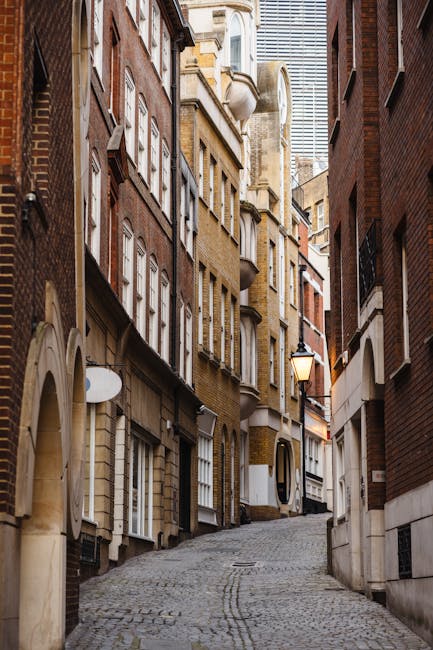
Why Small doorway and narrow street removals solutions Knightsbridge Matters
Knightsbridge has a particular moving profile. Streets can be busy, parking can be limited, and many properties have access that looks elegant from the pavement but feels a bit less charming once you start carrying a wardrobe through it. Small entrances, basement steps, shared hallways, mews lanes, and tightly angled staircases all change how a move should be planned.
This matters for three reasons. First, the risk of damage rises when furniture is pushed through an opening that is only just wide enough. Second, time is wasted if the team arrives with the wrong vehicle or without the right carrying equipment. Third, neighbours, building managers, and traffic conditions can create real delays if the move has not been organised around access.
That is why access-led planning is not just a nice extra. It is the heart of the job. The right approach may involve a smaller vehicle, more strategic loading, dismantling large pieces, or moving in stages. For flats in particular, a specialist approach often makes more sense than trying to force a standard move through a difficult layout. If you are moving from an apartment or maisonette, it is worth looking at flat removals Knightsbridge alongside your access plan.
Expert summary: In tight-access moves, the aim is not to make the move feel bigger. It is to make each stage smaller, safer, and more controlled.
And honestly, that is usually the smarter route. A little more planning up front can save a lot of drama later. Nobody enjoys discovering that the sofa fits the van beautifully but not the staircase.
How Small doorway and narrow street removals solutions Knightsbridge Works
A successful tight-access move usually starts long before moving day. A good mover will want to understand the property layout, road access, floor level, item sizes, and any restrictions around parking or loading. That information decides the vehicle type, crew size, packing method, and route through the building.
1. Access review
The team checks the practical constraints: doorway width, stair bends, lift size, corridor clearance, and whether large furniture can turn safely. If needed, the mover may recommend dismantling beds, removing legs from tables, or reducing the load into smaller handling units.
2. Vehicle matching
In narrow streets, a smaller van can be the better choice because it is easier to position and quicker to load. A bulky vehicle is not always an advantage. A compact but well-planned setup often works better, particularly around restricted roads and loading windows.
3. Protection and handling
Once the item size and route are confirmed, the mover uses blankets, straps, sliders, and protective wraps to reduce impact. That is especially important around painted bannisters, narrow doors, old plasterwork, and polished floors. It is the kind of detail that seems small until you see a chipped wall or scratched floor and think, yes, that was avoidable.
4. Controlled loading and unloading
Items are carried in a sensible order, usually starting with the largest or most awkward pieces. The team may stage the move in sections rather than trying to push everything out in one rush. This is often the best way to keep the route clear and avoid collisions in tight hallways.
5. Local timing and street awareness
Knightsbridge traffic can be unpredictable, especially around busy shopping and station periods. Moves are often planned around quieter windows where possible. If timing matters for your move, you may also find Knightsbridge station moving times and man with van tips useful, because it reflects the same local reality: timing is not a small detail, it is part of the solution.
For some moves, especially smaller ones, a flexible team such as man and van Knightsbridge or man with a van Knightsbridge can be an efficient fit. The key is not the label. It is whether the service is matched properly to the building and street conditions.
Key Benefits and Practical Advantages
The most obvious benefit is simple: the move gets done without turning into a headache. But there is more to it than that.
- Less damage risk: smaller manoeuvres and better protection reduce knocks to furniture, walls, and flooring.
- Better time control: a crew that understands access problems wastes less time adjusting on the day.
- More realistic vehicle choice: you avoid paying for a vehicle that is too large for the road or too awkward for the entrance.
- Reduced lifting strain: careful staging and the right equipment make the physical work safer.
- Less disruption to neighbours: shorter loading times and cleaner access handling tend to keep everyone happier.
- More confidence for fragile items: antiques, mirrors, artwork, and specialist pieces can be moved with more control.
There is also a psychological benefit, which people often underestimate. When access is tricky, a move can feel deeply uncertain. Once there is a clear plan, the whole thing becomes manageable again. You can breathe, which is nice.
If your move also involves bulky or awkward pieces, it may be sensible to combine access planning with furniture removals Knightsbridge. And for especially delicate or high-value pieces, piano removals Knightsbridge is a good example of why specialist handling matters.
Who This Is For and When It Makes Sense
This type of removal solution is not only for large houses with awkward entrances. In fact, it often makes the most difference in smaller properties where every inch counts.
- Flat movers: especially where stairwells are narrow, lifts are tight, or entrances open directly onto the street.
- Householders in mews or terraced streets: where road width and parking are limited.
- Students and short-let movers: when the move is small but access is awkward and time is tight. See student removals Knightsbridge for that kind of move.
- Office teams: when desks, chairs, and storage units need moving through shared entrances or narrow loading points. Office removals Knightsbridge is especially relevant here.
- Anyone with large furniture: wardrobes, sideboards, beds, sofas, mirrors, or fitness equipment.
- People moving at short notice: if access is tricky and time is limited, the plan needs to be precise from the start. A same-day option may help in the right situation; see same day removals Knightsbridge.
It also makes sense when you are moving within Knightsbridge itself and do not want a long, cumbersome operation. A smaller, well-briefed team is often enough. For some people, that is the sweet spot between overkill and chaos.
Step-by-Step Guidance
If you want a move to go well, treat access like part of the inventory. Here is a straightforward approach.
- Measure the tricky points. Check the doorway width, stair turns, ceiling height, lift size, and any tight hall sections.
- List the awkward items. Identify furniture that may need dismantling, tilting, padding, or a second pair of hands.
- Photograph the route. A few quick pictures of the entrance, stairwell, and street can be more useful than a long description.
- Share road restrictions early. If there is limited stopping space, a one-way street, or timed loading, say so early. That makes a real difference.
- Choose the right vehicle. A van that is easy to position may be better than a larger one that causes delays.
- Prepare the building. Reserve lifts if required, warn neighbours if needed, and clear paths inside the property.
- Protect the surfaces. Floor runners, blankets, and edge protection can prevent a lot of unnecessary wear.
- Pack for handling, not just storage. Boxes should be balanced, labelled, and not overfilled. You want them to be carried, not battled with.
- Agree the order of loading. First out, last in, or vice versa depending on the destination. It sounds basic, but it saves time.
- Keep one person available. A single point of contact helps solve surprises quickly. There is always one surprise, usually just when tea is least convenient.
For better packing discipline before the move, it can help to read packing and boxes Knightsbridge. And if the move is part of a property transition, house removals Knightsbridge may offer a broader framework for planning the whole process.
Expert Tips for Better Results
A few small decisions can make tight-access removals much easier.
- Disassemble first, not later. Beds, modular shelving, and some tables are easier to move in sections.
- Measure twice if the item is valuable. If it is a grand piano or heirloom cabinet, the margin for error is tiny.
- Use a smaller van when access is tight. That is not a downgrade. It is often the intelligent choice.
- Protect corners and handles. These are the first things to catch on narrow routes.
- Plan for walking distance. A property may be close to the road but still awkward to access from the vehicle.
- Avoid peak congestion if possible. Even a good plan can be slowed by traffic, buses, and loading competition.
- Keep lift timings realistic. If lifts are shared, assume there will be delays. That is just life in London, truth be told.
A small but useful habit: leave the final access check until the day before. Conditions can change. A delivery bay may be occupied, a skip may appear, or the route may be partially blocked. A quick re-check helps. It is a simple thing, but often the difference between calm and scramble.
If you want a clearer sense of service quality and company approach, the background information at about us and removal services Knightsbridge can help you understand how a professional team tends to structure its work.

Common Mistakes to Avoid
Most access problems are avoidable. Not all of them, but most.
- Assuming "small move" means "easy move." A single sofa can be harder to move than several boxes if the entrance is awkward.
- Underestimating stair geometry. A staircase can look fine until the item has to turn halfway up it.
- Not measuring furniture properly. Guessing is risky. Measure the widest, tallest, and deepest points.
- Forgetting about street access. A perfect interior plan will not help if the van cannot stop nearby.
- Packing boxes too heavily. Overweight cartons are slow, unsafe, and annoying to carry.
- Leaving access details out of the booking. If the mover does not know, they cannot plan for it.
- Choosing on price alone. Cheap can become expensive if the job needs reworking or extra handling.
A lot of people also forget the psychological side. If you are stressed, you are more likely to rush. And rushing is exactly what narrow spaces punish. Slow down a little. Not forever, just enough to keep the walls and the nerves intact.
Tools, Resources and Recommendations
You do not need fancy gear to move well, but the right basics make a huge difference.
- Measuring tape: essential for doors, hallways, lifts, and furniture.
- Felt pads and floor protection: useful in homes with polished or delicate flooring.
- Furniture blankets: a must for protecting edges and surfaces.
- Ratchet straps or load restraints: helpful for stabilising items in transit.
- Labelled boxes: make loading and unloading far more efficient.
- Flat-pack tools: screwdriver, Allen keys, and a small hardware pouch are always handy.
- Storage options: if access timing is awkward, temporary storage can reduce pressure. See storage Knightsbridge.
For anyone comparing moving providers, it is sensible to review how pricing, safety, and service terms are presented. Pages such as pricing and quotes, insurance and safety, and terms and conditions are useful for setting expectations before the job begins.
Law, Compliance, Standards, or Best Practice
For tight-access removals in London, the main compliance issues are usually practical rather than dramatic. The big ones are parking, loading permissions, safe lifting, property access rules, and building management requirements. Depending on the location, you may need to respect local restrictions, timed access windows, or concierge instructions. That is normal. It is part of moving in a built-up city.
From a best-practice perspective, a good mover should work with sensible manual handling habits, clear communication, proper protection of property surfaces, and fair handling of customer information. If you are booking a service, it is reasonable to expect transparent communication about service scope, exclusions, and payment terms. It is also sensible to check how complaints are handled and how safety is approached before the day arrives.
For peace of mind, you may want to review health and safety policy, privacy policy, payment and security, and complaints procedure. Those pages help show how a provider thinks about responsibility, not just the move itself.
On the environmental side, many customers now care about waste reduction, re-use, and recycling where possible. If that matters to you, a sustainability-minded approach can help make the move feel a bit better all round. See recycling and sustainability for a useful reference point.
Options, Methods, or Comparison Table
There is no single perfect method for every tight-access move. The right choice depends on the size of the load, the road conditions, and how difficult the property is to navigate.
| Approach | Best for | Strengths | Trade-offs |
|---|---|---|---|
| Small van move | Compact loads, narrow roads, quick local jobs | Easier parking, easier access, efficient loading | Less capacity, may need multiple trips |
| Man and van service | Single-room moves, student moves, flexible access jobs | Quick, adaptable, practical for awkward entry points | Not always ideal for large household contents |
| Full removal team | Busy houses, larger flats, heavier furniture | More hands, better pace, more structured handling | Can be more than you need for a small move |
| Hybrid approach with dismantling and staging | Large items in tight buildings | Balances access and protection well | Requires more planning beforehand |
For many Knightsbridge moves, the answer sits somewhere in the middle. Not too large, not too basic. A service like removal van Knightsbridge can suit compact access if the load is organised properly, while man with van Knightsbridge often suits smaller or more flexible jobs.
Case Study or Real-World Example
Consider a typical Knightsbridge flat move: two bedrooms, a sofa, a dining table, and a few awkward items like mirrors and a large chest of drawers. The street is narrow, parking is limited, and the entrance has a tight turn just inside the front door. On paper, it sounds manageable. In practice, it needs planning.
A sensible team would start by checking whether the sofa can be split, whether the table legs can be removed, and whether the wardrobe needs disassembly. They would then decide if the van should park a short walk away and use trolleys or if the access is close enough for direct loading. The move might be split into safer stages: smaller items first, bulky items second, then final cleaning and a last walk-through.
The result is usually calmer than trying to muscle everything through in one go. Less stress. Less shouting. Fewer scuffs. A better finish all round.
That kind of careful handling is especially relevant for local homes described in Knightsbridge real insights from local residents, because the housing stock really does vary, and the access quirks are often part of the character of the place. If the move follows a home purchase, the wider context from Knightsbridge home purchase procedures can also be helpful.
Practical Checklist
Use this checklist before moving day. It is the kind of list that saves you from the "oh, we forgot that" moment.
- Measure doorways, stairwells, lifts, and key furniture pieces.
- Photograph the entrance, road, and the trickiest parts of the route.
- Confirm whether the van can stop close enough to load safely.
- Check if any items need dismantling before the move.
- Pack heavy items into small, manageable boxes.
- Label all boxes clearly by room and priority.
- Protect floors, corners, and bannisters where needed.
- Tell the mover about access issues early, not on the day.
- Reserve or clear building access if required.
- Keep one contact person available for decisions.
- Review insurance, payment, and terms before the booking is confirmed.
- Have a backup plan if loading takes longer than expected.
If you are still in the planning stage, a look at removal companies Knightsbridge can help you compare service styles, while man with van Knightsbridge may suit a lighter move with difficult access.
Conclusion
Small doorway and narrow street removals are not about forcing a move to behave like a standard one. They are about adapting to the reality of the property, the street, and the items being moved. In Knightsbridge, that reality often includes compact entrances, restricted loading, and old buildings that were not designed with modern furniture in mind. That is fine. It just means the move needs a smarter plan.
When the access is carefully reviewed, the vehicle is chosen properly, and the packing is done with handling in mind, the whole process becomes much easier. Less drama. Less damage. More control. And, perhaps most importantly, a better experience for everyone involved.
If you are facing a difficult move and want a practical, locally informed approach, it is worth speaking with a team that understands the area and the access challenges properly. You do not need to make the move bigger than it is. You just need the right method.
Get a free quote today and see how much you can save.
A careful move has a way of making a difficult day feel surprisingly manageable, and that can be a relief you remember long after the boxes are unpacked.



 CALL US NOW


